The Psychology Behind a Welcoming Cafe Space
A welcoming cafe is rarely an accident. People feel it before they can explain it. They step inside, lower their shoulders, and decide, often within seconds, whether they want to stay. That response looks personal, but it is shaped by a set of predictable psychological cues: light, sound, layout, social density, scent, temperature, and the subtle signals that tell us whether a place is safe, legible, and worth our time.
Operators sometimes talk about hospitality as if it lives entirely in service. Service matters, of course, but the room is doing a great deal of work before a barista says hello. The space tells guests whether they are expected to linger or rotate out quickly, whether they can have a private conversation without being overheard, whether a laptop will feel tolerated or resented, whether a parent with a stroller is going to struggle, whether a solo guest will feel awkward taking a two-top. None of that is abstract. It shapes dwell time, average ticket size, return frequency, staff stress, and the kind of community a cafe ends up attracting.
After spending time in cafes that thrive and others that never quite settle, one pattern keeps reappearing: the strongest spaces are not always the most expensive or the most stylish. They are the most psychologically coherent. Everything in them, from the front door to the last chair at the back wall, supports a clear emotional experience.
First impressions happen faster than design teams like to admit
Most guests decide how they feel about a cafe long before they form a thought like, “This place is nice.” Their brains scan for fluency. Is the entrance obvious? Can they tell where to order? Is there a place to stand without blocking traffic? Can they quickly see if there is seating? Is the menu legible from a comfortable distance? These are small frictions, but our minds register them immediately.
A room that is easy to read lowers cognitive load. People relax when they do not have to work to understand a space. That sounds simple, yet many cafes undermine themselves with a beautiful but confusing arrival sequence. A narrow door opens into a queue that spills into the seating area. The pastry case is placed where newcomers stop dead to inspect it, while regulars behind them try to order. The menu hangs high in low contrast lettering. The register is hidden behind merchandise. Nothing is disastrous on its own, but together they create a slight sense of effort. Effort is the enemy of ease.
Welcoming spaces usually make a few things obvious without feeling rigid. The threshold feels open rather than guarded. The counter is visible. Guests can orient themselves in one sweep of the eyes. There is enough room to hesitate without becoming an obstacle. This is environmental psychology at its most practical. When people can predict what happens next, they feel more competent, and competence feels good.
The outside matters too. A cafe’s facade acts like a promise. Windows that reveal activity inside reduce uncertainty. A chalkboard with too much text tends to become wallpaper, but a clear sign of open hours and an uncluttered view inward can draw people in. If the exterior feels either too exclusive or too chaotic, many potential guests will keep walking. Humans are highly responsive to social proof. Seeing two or three people inside, comfortably settled, often does more than any branding statement.
The deep comfort of being able to choose your level of exposure
One of the most reliable principles in a welcoming cafe is control. People want options. They want to decide whether to be seen or tucked away, whether to work or watch, whether to stay ten minutes or ninety. A room that offers only one mode of occupancy will always alienate someone.
This is why varied seating matters more than trend-driven furniture. The classic window bar, the communal table, the small two-top, the banquette along the wall, the slightly sheltered corner chair, they each satisfy different social and psychological needs. Some guests crave prospect, a broad view of the room and the street. Others want refuge, a seat that protects their back and narrows visual stimulation. The best cafes quietly provide both.
There is a reason the corner Cafe seat with a wall behind it is almost always taken first. People tend to prefer positions that offer visual command without making them feel exposed. The same logic explains why seats near an entry door often remain empty unless the weather is excellent or the room is crowded. Drafts, noise spikes, and foot traffic create low-level vigilance. Guests may not articulate it, but their bodies notice.
Communal tables are often praised because they maximize capacity and project a social, urban energy. They can work beautifully, but they are not universally welcoming. For solo guests, they sometimes feel performative. For friends catching up, they can feel intrusive. For laptop users, they may create territorial tension over outlets and bag space. A smart operator uses communal seating as one part of a larger seating ecosystem, not as a total solution.
The same goes for furniture dimensions. Chairs that look elegant on mood boards can become punishing after twenty minutes. Tiny tables create constant micro-annoyance as cups, laptops, plates, and phones compete for surface area. If a cafe hopes to increase dwell time and second purchases, physical comfort is not a luxury. It is revenue design.
Lighting sets the emotional register of the room
Few variables shape behavior as quickly as light. Harsh overhead lighting can make a cafe feel transient, even vaguely clinical. Light that is too dim can make the room feel sleepy or impractical, especially in the morning when people want alertness and clarity. Welcoming cafes tend to balance functional brightness with warmth.
Natural light is the obvious advantage. It flatters materials, improves mood, and changes through the day in a way that keeps the space alive. But daylight alone is not enough. A room with bright windows and a gloomy back section can produce a psychological divide where only a few tables feel desirable. That usually leads to visible crowding in one zone and dead space in another. Layered lighting helps solve this. Pendants over tables, softer wall lighting, task lighting at the counter, and carefully chosen color temperatures can create consistency without flattening the atmosphere.
There is also a timing issue that many operators underestimate. A cafe may feel perfect at 10 a.m. And oddly uninviting at 4 p.m. Seasonal changes exaggerate this. Late autumn exposes every weak bulb and every dark corner. Summer afternoons can turn a window line into a glare trap. Welcoming spaces are not designed for a single idealized hour. They are tuned for the long arc of a full day.
From experience, one of the most common mistakes is chasing mood at the expense of visibility. Menus become hard to read. Food looks dull. Guests squint at laptops. Staff strain to see pastry labels or clean tabletops properly. The room may photograph well, but photography and comfort are not the same thing. A welcoming cafe has visual softness, not visual obscurity.
Sound is often the hidden reason people leave early
When guests say a place has “good energy,” they are often responding to sound as much as sight. Acoustics shape whether conversation feels intimate or exhausting. A room with bare concrete, glass, metal stools, and an espresso machine bouncing off every surface can become fatiguing within minutes. The issue is not simple loudness. It is unpredictability and reverberation.
People can tolerate a surprisingly high volume when the soundscape feels coherent. A steady murmur of conversation, gentle music, and the familiar hiss of steaming milk can signal liveliness and comfort. What wears people down is abrupt noise: chairs scraping, blender blasts, dish bin crashes, shouted names, and music that competes with speech frequencies. In those environments, the nervous system never fully settles.
Acoustic softness does not require a padded room. Upholstered seating, curtains, wood, bookshelves, plants, acoustic panels disguised as decor, and even the strategic placement of rugs in the right zones can make a notable difference. So can operational habits. Felt pads under chairs are cheap and disproportionately effective. A staff member who sets ceramic cups down with care changes the room more than most people realize.
Music deserves more discipline than it usually gets. Playlist choices often reflect staff taste rather than guest psychology. That is understandable, but a cafe is not a private studio. Tempo, genre, and volume should match the daypart. Early hours usually benefit from something grounded and unobtrusive. A Saturday rush can carry more energy. Mid-afternoon often rewards a calmer track selection that supports reading, laptop work, and lingering conversation. When music is too prominent, guests have to talk over it, which raises the room’s overall volume, which raises it again. That spiral is common and avoidable.
Scent and temperature work beneath language
Smell bypasses a lot of our verbal filters. Fresh coffee, baked goods, citrus from a recently cleaned counter, warm wood, these cues create immediate associations of care and appetite. A welcoming cafe does not need artificial scent branding. In fact, fragrance added too heavily can make a space feel manipulative or physically unpleasant.
The trick is preserving the good smells while managing the bad ones. Burnt milk, grease drift from the kitchen, chemical cleaning residue, stale mop water, damp upholstery, and restroom odors can quickly undo everything else. Guests may not mention it directly. They may simply decide the place is not for them and not return. Good ventilation is not glamorous, but poor ventilation quietly damages the guest experience every day.
Temperature plays a similarly underestimated role. People are forgiving about decor. They are much less forgiving about being cold under an air vent or overheated near a sunny front window. Cafes often create microclimates, and guests notice. A room where one zone is pleasant and another is drafty will develop odd seating patterns that owners sometimes misread as preference rather than discomfort. If the back corner never fills, the issue may be thermal, not aesthetic.
Warmth, psychologically and literally, matters. There is a reason colder rooms often encourage shorter stays. That may be intentional in some high-volume models. But for a cafe hoping to become a neighborhood regular spot, comfort tends to pay back over time.
Order at the counter, calm in the room
A cafe can be welcoming and still efficient. In fact, efficiency is part of welcome because friction increases stress for both guests and staff. The key is where that efficiency shows up.
At the counter, clarity is generous. Menus should be readable at a glance, with a sensible visual hierarchy. Popular items should not require a scavenger hunt. Guests should be able to understand the line, the pickup point, and where to wait without asking. Ambiguity creates self-consciousness, especially for first-time visitors. Nobody likes feeling as though they are holding up the line.
Yet hyper-efficiency can drain personality if it turns the experience transactional. Some of the best cafes use the space itself to absorb pressure. There is room to step aside after ordering. Pickup does not collide with payment. People waiting for drinks can browse retail, check the pastry case, or simply stand without blocking the door. The layout does not force everyone into the same three square meters.
One neighborhood cafe I remember got this exactly right in a very small footprint. The register was near the front, but pickup happened several feet down the counter, which pulled the line forward naturally. A slim standing ledge gave waiting guests somewhere to settle. The room felt calm even during the morning rush because bodies had somewhere to go. That is not just good design. It is social choreography.
Welcoming is also social, not merely spatial
A room can be beautiful and still feel cold. Humans read spaces through social cues as much as physical ones. Staff behavior, guest mix, and local norms all shape whether a cafe feels accessible.
The most welcoming cafes manage to feel inclusive without becoming generic. Staff acknowledge guests promptly, not always with a script, but with a visible sign that they have been seen. For many people, especially those visiting alone, that moment matters. Being ignored at the counter for even thirty seconds can create more discomfort than a less-than-perfect chair ever will.
There is also the subtle matter of permission. Does the room make it clear that different kinds of use are acceptable? Some cafes accidentally signal that only one type of guest belongs there, the laptop crowd, the brunch crowd, the trend-conscious crowd, the fast takeaway crowd. Welcoming spaces broaden the invitation. A retiree reading the paper, a student studying, a parent with a child, two coworkers having a short meeting, a friend waiting for another friend, none of them should feel out of place.
This does not happen through signage alone. It emerges from a thousand tiny cues: table spacing, stroller access, noise expectations, outlet placement, bathroom maintenance, and the way staff respond when someone asks for a glass of water or needs a minute to decide. Hospitality is often remembered in these ordinary moments.
The role of familiarity, ritual, and small predictabilities
People return to cafes because of ritual as much as product. A welcoming space supports ritual by being legible and consistent. The guest knows where to queue, where to find sugar, where to wait for a flat white, where the sun falls at 8 a.m., which table is best for reading, which corner is quiet enough for a difficult phone call. Familiarity lowers mental effort and creates emotional attachment.
This is one reason frequent redesigns can backfire. Operators may get restless and want to refresh the room every year. Minor updates are healthy, but changing the entire logic of the space can disrupt the very routines that made regulars loyal. People often underestimate how much comfort they derive from small constants.
Visual cues support that sense of ritual. A reliable mug style, a clean but lived-in pastry case, a daily flower stem near the register, a shelf of local products that rotates slowly rather than chaotically, all of these create identity. Welcoming spaces tend to be distinctive without demanding too much attention. They give guests something to recognize, not something to decode.
Crowding can be energizing or stressful, depending on how it is managed
Many owners assume that a full cafe automatically looks attractive. Sometimes it does. Moderate bustle can create social proof and make a room feel alive. But crowding only works when people still feel they have control over movement and personal space.
There is a fine line between lively density and oppressive compression. If chairs bump every time someone passes, if the queue cuts through seated guests, if bag storage is impossible, if the restroom route requires weaving through laptop cords and knees, the room begins to ask too much of everyone. Guests shorten their stay. Staff get irritable. Turnover becomes messy rather than smooth.
This is where circulation matters more than people expect. A clear path from entrance to counter, counter to pickup, and pickup to seating reduces social friction. Guests hate feeling they are intruding on other tables just to sit down. They also hate wondering whether they are standing in the wrong place. A room can be small and still generous if movement is intuitive.
Interestingly, partially enclosed zones often feel less crowded than fully open plans with the same number of seats. Low shelving, plant groupings, half walls, or banquette backs can create psychological boundaries without shrinking the room. Those boundaries give people a sense of territory, which makes shared environments feel calmer.
Materials, maintenance, and the psychology of trust
A welcoming cafe does not need luxury finishes, but it does need integrity. Guests notice wear, cleanliness, and upkeep with almost forensic sensitivity. Sticky tables, wobbling chairs, scuffed bathroom doors, dying plants, and smeared condiment stations all send the same message: details are slipping. Once that message lands, trust drops.
Trust matters because eating and drinking are intimate acts. People want to feel that the environment is competently managed. This does not mean sterile perfection. In fact, some degree of patina can make a space feel warm and lived in. Scratched wood can be charming. Mismatched cups can feel personal. What fails is neglect masquerading as character.
Materials should age well under real cafe use, not just showroom conditions. Light fabrics stain. Unsealed surfaces absorb spills. Designer chairs chip quickly when dragged across tile. Maintenance is psychology in physical form. When a guest sees that a space is cared for, they infer that their experience will be cared for too.
What a welcoming cafe gets right for different kinds of guests
Not every guest wants the same thing, and this is where mature design judgment shows. The solo guest often values refuge, a clear ordering process, and a seat that does not make them feel on display. Pairs usually care about acoustics, table size, and conversation privacy. Families notice maneuverability and tolerance. Remote workers look for outlets, stable surfaces, and enough ambient activity to feel company without distraction. Older guests often appreciate better lighting, supportive seating, and less acoustic harshness, though everyone benefits from those features.
A space becomes truly welcoming when it avoids forcing all these needs into one narrow template. The best operators understand their core audience but leave room for adjacent uses. A cafe that excludes every non-core guest may look sharply branded, yet it often misses the broader social role that makes neighborhood businesses resilient.
That broader role has economic value. Guests who feel comfortable staying for an hour may buy a second drink or pastry. Parents who know they can bring a stroller become repeat customers. A consultant who uses the space for two quiet meetings a week may bring clients. The retired local who feels at home there becomes part of the atmosphere others come to enjoy. Welcoming is not softness without strategy. It is strategy with a longer time horizon.
Why some beautiful cafes still feel wrong
A visually striking cafe can fail because aesthetics and behavior are out of sync. The room might communicate slowness and comfort while the business model needs fast throughput. Or it might project high style and exclusivity while trying to attract broad neighborhood traffic. The problem is not that either identity is inherently bad. The problem is mismatch.
People feel welcome when the promises a space makes are kept. If the room suggests quiet, but the music is relentlessly loud, trust erodes. If the brand talks about community, but there are no seats suitable for groups and nobody can hear each other, the claim rings hollow. If the decor says handcrafted warmth, but every interaction is rushed and confusing, the dissonance is unmistakable.
The strongest cafes align sensory experience, layout, service, and business goals. That alignment feels effortless to guests, which is why it is easy to overlook. But it is usually the result of many disciplined choices.
Designing for memory, not just occupancy
At its best, a welcoming cafe gives people more than a place to consume coffee. It offers a temporary sense of belonging. That belonging may last ten minutes or two hours. It may take the form of a reliable morning stop, a refuge between appointments, a first date that feels easier because the room does some of the emotional labor, or a familiar table where someone writes for an hour every Tuesday.
Psychologically, this is powerful because humans attach meaning to repeated environments. We remember where we felt at ease. We return to places that make us feel a little more like ourselves. The cafes that endure understand this. They do not merely provide seating and caffeine. They create conditions in which people can regulate, connect, focus, pause, and feel held by a room that asks very little from them.
That is the real craft behind a welcoming cafe space. It is not just decor, and it is not just service. It is the art of reducing needless friction while preserving enough texture, warmth, and identity to make the experience memorable. When a space gets that balance right, guests do not usually analyze it. They simply come back.
Bennies Cafe
17230 Jackson Creek Pkwy Ste 100, Monument, CO 80132
+1 719-445-0660
FAQ About Cafe
What is considered a café?
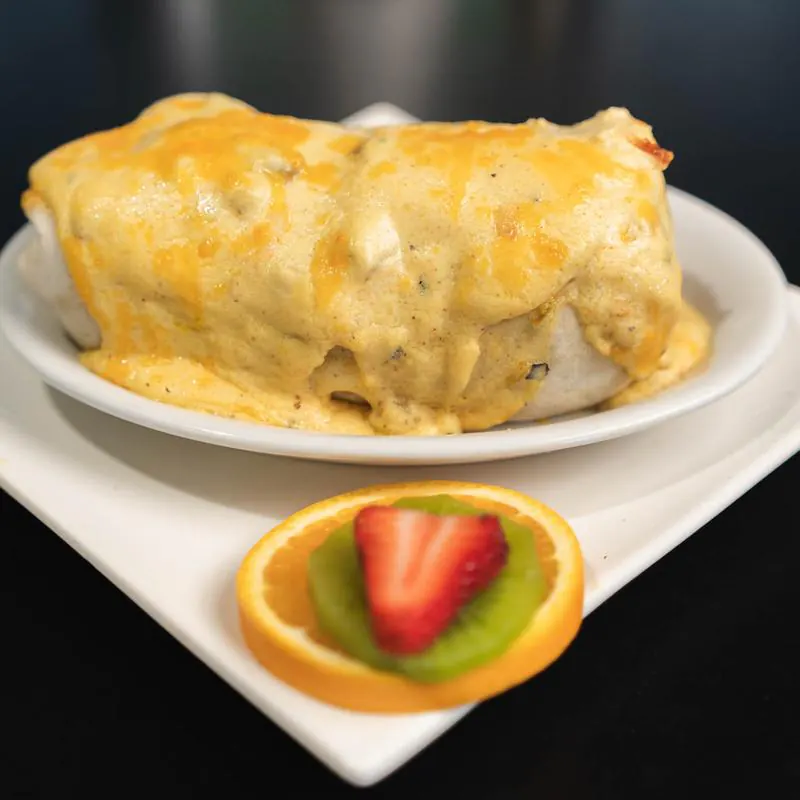
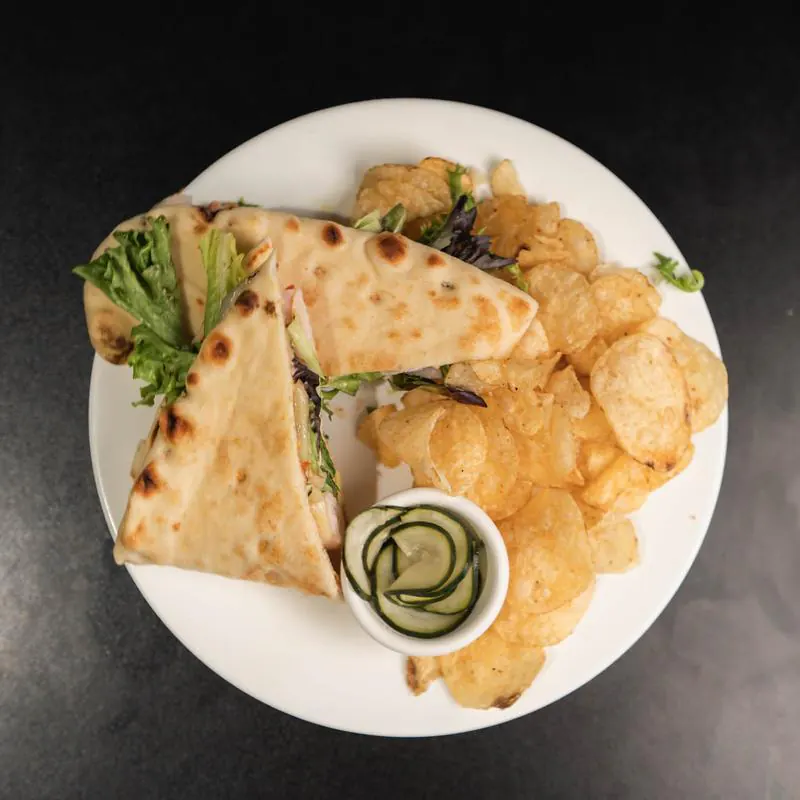
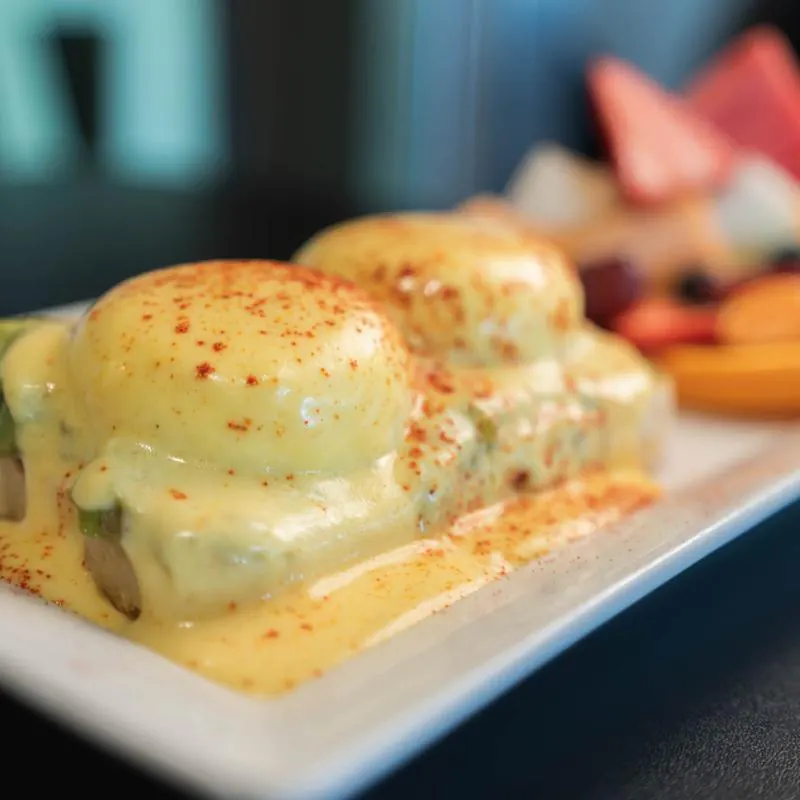
A café is generally an informal place to enjoy refreshments and a meal. Bennies Cafe in Monument serves breakfast and lunch in a counter-service setting, with options including eggs Benedict, sandwiches and crepes. Guests can eat in or arrange pickup.
What is the difference between a coffee shop and a café?
The terms often overlap. A coffee shop usually emphasizes coffee and other drinks, while a café may offer a broader food menu. Check the individual establishment's menu rather than relying on its name. Bennies Cafe offers coffee drinks alongside breakfast and lunch dishes.
What is the difference between café and coffee?
In everyday English, a café is a place where people buy food and drinks, while coffee is the beverage. The word café comes from the French word for coffee. Bennies Cafe serves options such as brewed coffee, espresso and lattes as part of its drinks menu.